
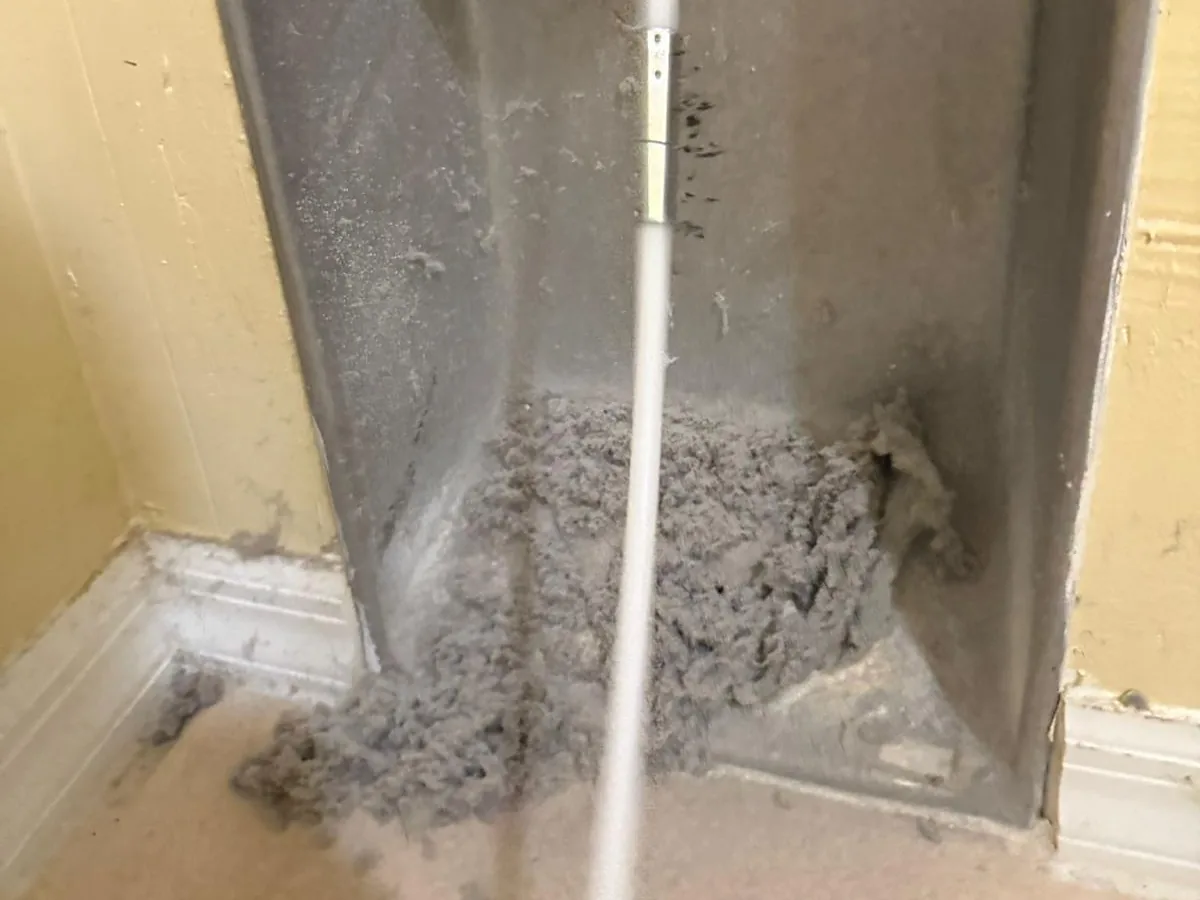
A clogged dryer vent shows up in six ways: clothes take two cycles to dry, the laundry room feels like a sauna, there is a burning smell while the dryer runs, lint collects around the outside vent flap, the flap stays shut while the dryer is on, and the lint trap fills faster than it used to. All six mean restricted airflow.
Why do clothes take two cycles to dry?
Most people notice this one first and explain it away. A dryer works by pushing hot, moist air out through the vent. When lint narrows that path, the moist air stays in the drum and your clothes stay damp. You run a second cycle, the dryer works twice as long, and the heating element stays on. That costs time and energy, but the bigger issue is heat: a dryer that cannot exhaust keeps getting hotter, with lint packed where the heat is. If towels that dried in one cycle now need two, look at the vent first, not the dryer.
Why does the laundry room feel like a sauna?
Your dryer is supposed to send heat and moisture outdoors. If the room gets hot and sticky while it runs, that heat and moisture are staying in the house instead. The dryer runs longer and hotter, the cabinet gives that heat off into the room, and clothes come out warm but still damp. The safety side is simple: the heat you feel in the room is also building inside the dryer and the vent, next to the lint that could not get out.
What does a burning smell while the dryer runs mean?
Lint is highly flammable, and the National Fire Protection Association names failure to clean as the leading cause of home dryer fires. When enough lint packs against the heating element or in the exhaust duct, it scorches before it burns, and you smell it. A faint hot-fabric smell that fades is one thing.
A burning smell that returns every cycle is lint sitting in the heat path. Turn the dryer off, unplug it, and do not run it again until the vent has been cleaned.
The U.S. Fire Administration estimates about 2,900 residential clothes-dryer fires a year, with failure to clean the leading factor, behind 34 percent of them. A smell is the cheapest warning you will get.
Why is there lint around the outside vent flap?
Find where your dryer exhausts outside, usually a hood on a wall or the roof. A clear vent blows lint straight out and it scatters. A restricted vent pushes air out at low pressure, so lint drops at the opening and builds up on the flap, the hood, and the wall below. A fuzzy grey beard around the hood means the duct behind it holds more of the same. Debris on top of packed lint can close the vent completely. Lint jammed in the hinge also keeps the flap from closing, so humid air gets back into the duct between loads.
Why doesn’t the vent flap open when the dryer runs?
Have someone start the dryer while you watch the outside hood. With a clear duct, the flap swings open right away and warm air pours out. If it barely moves, flutters, or stays closed, the airflow reaching the end of the run is too weak to lift it, so most of the air is trapped between the dryer and the wall. A crushed flex hose, a run with several elbows, or a solid plug of lint all give the same result. The dryer is running against a blocked pipe, and the part you cannot see is where the fire risk lives.
Why does the lint trap fill faster than it used to?
It sounds backwards, but more lint in the trap is often a sign of less airflow, not more laundry. When the exhaust path is open, fine lint carries past the screen and out of the house. When the vent is restricted, air moves slowly through the drum and that lint settles on the screen instead, so the trap looks fuller after each load though nothing else has changed. The screen then clogs faster, which restricts airflow even more. If you peel off a thick mat every load, or lint is collecting behind the dryer, the exhaust is no longer keeping up.
Why does Florida make this worse?
Humidity packs lint into a dense felt a dryer cannot move. Many Pinellas and Pasco homes have the laundry in an interior closet, so the vent runs far through the attic to the roof or a side wall. Salt air corrodes the exterior hood, so flaps stick and the opening narrows.
What should you do next?
If you smell burning, turn the dryer off and unplug it until the vent is cleaned. For any other sign, schedule a cleaning; it clears the full run and is typically done in under an hour. After that, once a year is the baseline, more often for a large household or daily laundry.
Frequently asked questions
Can I clean the dryer vent myself?
The lint trap and the flex hose behind the dryer, yes. The long run through the attic is the part a brush from behind the dryer does not reach, and pushing at a plug of lint can pack it tighter. A professional cleaning clears the whole run, from the dryer connection to the exterior hood.
How often should a dryer vent be cleaned in Florida?
At least once a year. Humidity compacts lint faster here, so yearly is the minimum; large families and daily dryer use call for more, and any sign above means it is due now.
Does a clogged vent really cause fires?
Yes. The U.S. Fire Administration counts about 2,900 residential clothes-dryer fires a year, and failure to clean is the leading factor at 34 percent. Lint is highly flammable, and a restricted vent traps heat right where it sits.
If this sounds like your laundry room, our dryer vent cleaning page explains what a visit involves, and you can request a free quote in Pinellas or Pasco counties.
Read next
Fix it, or keep reading.
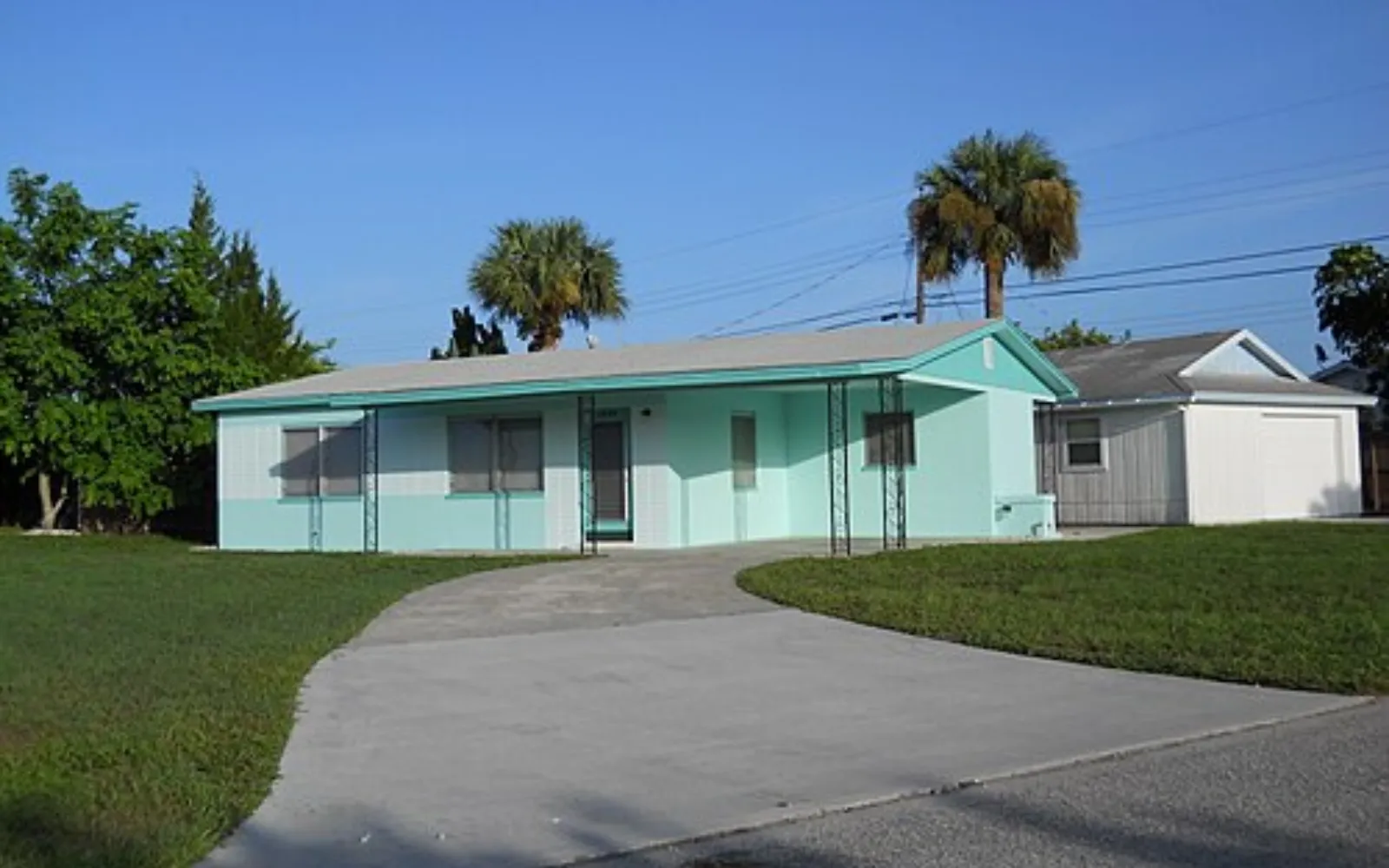
How often should you clean your dryer vent in Florida?
Once a year is the baseline for a Florida home, and humidity, long vent runs and salt air are the reasons not to stretch it.
Read the article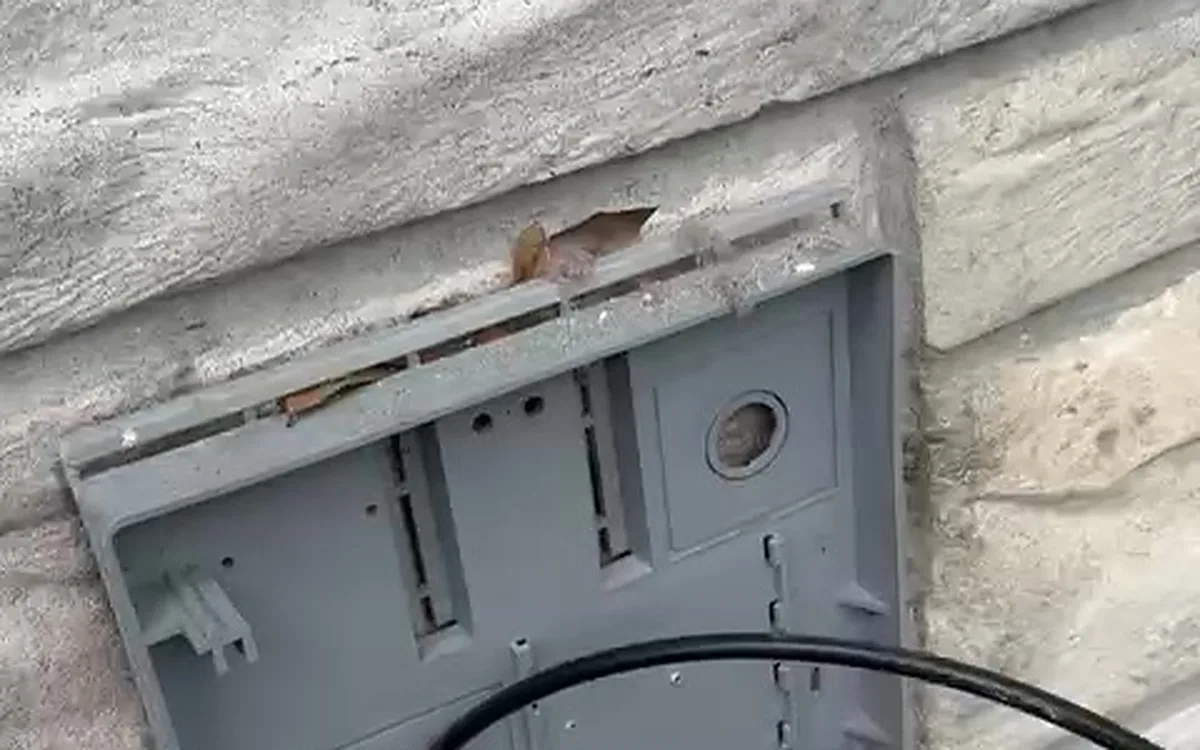
What affects the cost of dryer vent cleaning in Florida?
The three things that move the price of a dryer vent cleaning, what is always included, and why there is no flat rate to print.
Read the article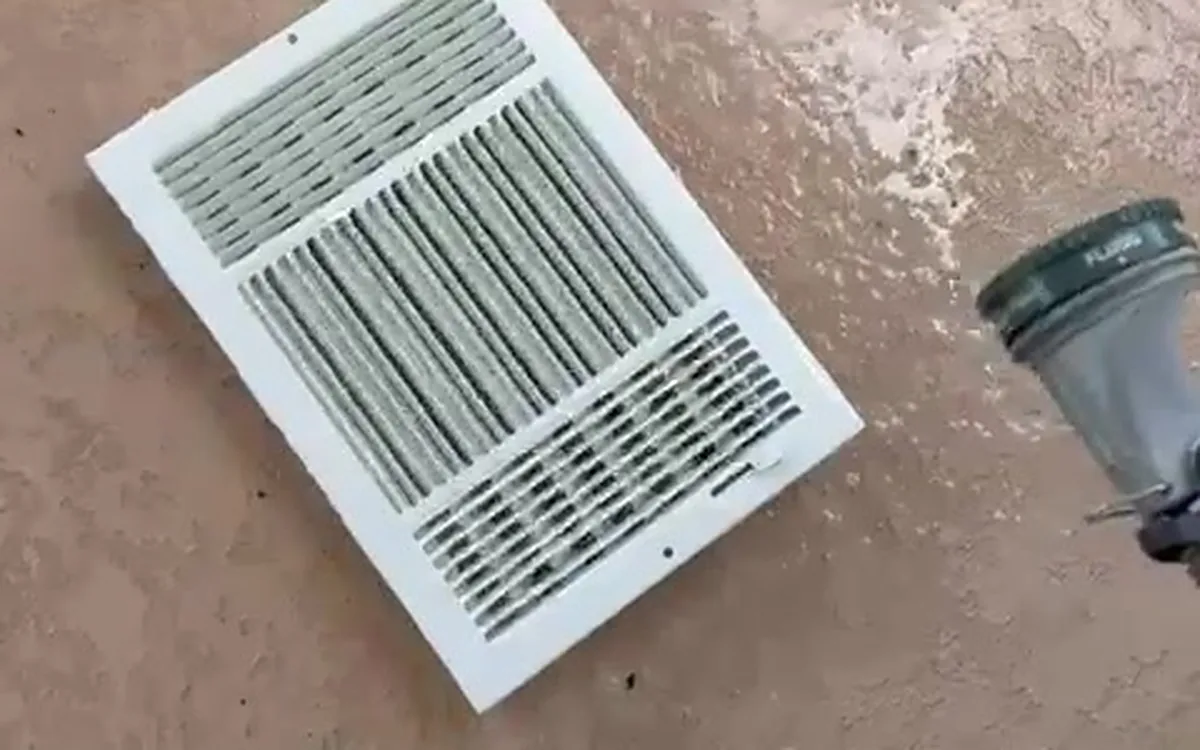
What to expect from a NADCA-standard air duct cleaning
Assessment first, then a NADCA-standard cleaning that takes one to three hours for most systems. Here is what happens at each step.
Read the articleTwo cycles to dry a load? Call before it becomes a fire.
A free, no-obligation quote, and most dryer vent cleanings done in under an hour.